- How we rate each benefit
- 1. Supports the macular pigment — good evidence
- 2. Supports eyes as they age — good evidence in a specific group
- 3. Comfort during screen use — some evidence
- 4. Night vision — good evidence only for deficiency
- 5. Antioxidant protection — some evidence
- 6. Visual clarity and sharpness — mixed
- Benefit summary table
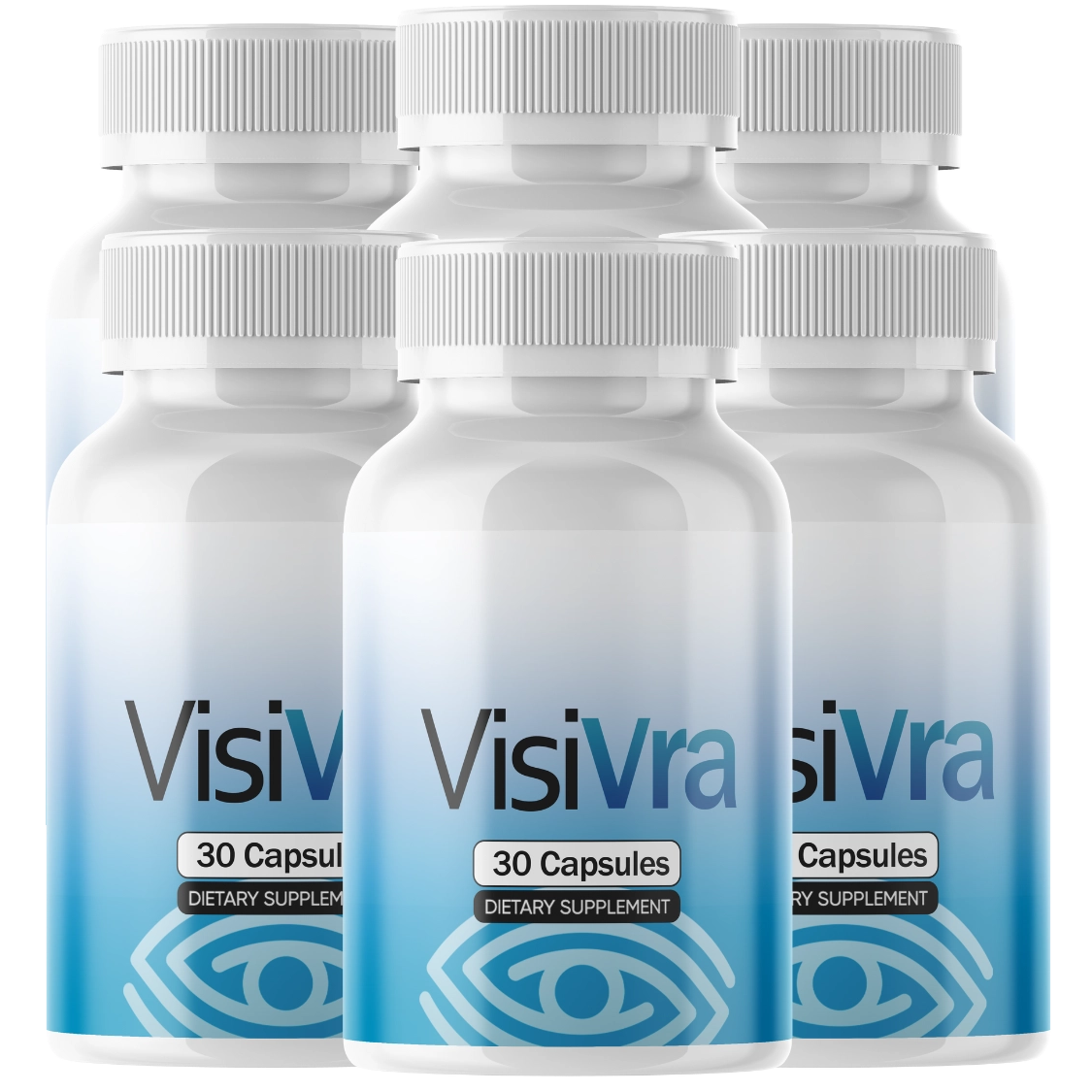
Bundles start at $49 per bottle on the 6-bottle option, with a 60-day money-back guarantee from the purchase date.
Check Visivra PricePaid linkHow we rate each benefit
We use three simple levels:
- Good evidence: consistent results in human trials at known doses.
- Some evidence: small or few trials, or good evidence only in specific groups.
- Weak evidence: mainly lab or animal data, or human trials that found no clear effect.
Remember that all of this is about ingredients. No published trial has tested Visivra as a finished product, and its doses are not on the sales page.
1. Supports the macular pigment — good evidence
Based on: lutein and zeaxanthin.
The macular pigment is made of these carotenoids, and supplementing them raises its density. The Linus Pauling Institute summarises a meta-analysis of eight trials that found improvements in visual acuity and contrast sensitivity with lutein and/or zeaxanthin supplements, at doses of 6–20 mg/day lutein. This is Visivra’s best-supported benefit — if the capsule contains doses in that range.
2. Supports eyes as they age — good evidence in a specific group
Based on: lutein, zeaxanthin and zinc.
The AREDS2 formula (10 mg lutein, 2 mg zeaxanthin, 80 mg zinc, plus vitamins C and E and copper) reduced progression from intermediate to advanced AMD by about 25%. Two caveats: it helped people who already had intermediate AMD, not people with healthy eyes or early AMD, and Visivra is not the AREDS2 formula. If you have AMD, ask your eye doctor which formula to use.
Compare the 2-, 3- and 6-bottle bundles on the seller’s checkout page. Read the label and check with your doctor if you take medication.
Check Visivra PricePaid link3. Comfort during screen use — some evidence
Based on: astaxanthin (and lutein).
A 2023 randomised, placebo-controlled trial gave 60 screen workers 9 mg/day astaxanthin or placebo for six weeks. In participants aged 40 and over, visual acuity after screen work held up better with astaxanthin; there was no difference in those under 40 or in other measures. The study was funded by the astaxanthin supplier (NutraIngredients).
Screen comfort depends far more on breaks, blinking and screen setup. The American Academy of Ophthalmology notes that people blink about 15 times a minute normally but only 5–7 times a minute on screens.
4. Night vision — good evidence only for deficiency
Based on: vitamin A, zinc and bilberry.
Vitamin A is essential for rhodopsin; deficiency causes night blindness, and zinc helps the eye use vitamin A. If you are low, correcting it matters. If you already get enough, extra will not sharpen night vision.
Bilberry is famous for a wartime legend about pilots’ night vision, but NCCIH says the most rigorous studies found no night-vision benefit in healthy people. Weak evidence for bilberry here.
5. Antioxidant protection — some evidence
Based on: astaxanthin, bilberry, lutein and zeaxanthin.
All four are antioxidants, and the retina is under heavy oxidative stress. Lab studies are impressive, but showing that an antioxidant supplement protects the human eye is much harder. The lutein–zeaxanthin data are the most convincing; the rest is plausible but less proven.
6. Visual clarity and sharpness — mixed
“Clarity” is a broad word. Lutein and zeaxanthin have been linked with better contrast sensitivity and glare recovery in some trials. But clarity also depends on your glasses prescription, dry eye, cataracts and many other factors a supplement does not touch. If things look blurry, get your eyes checked first.
Benefit summary table
| Claimed benefit | Main ingredient(s) | Evidence level |
|---|---|---|
| Macular pigment support | Lutein, zeaxanthin | Good |
| Healthy aging eyes (AMD progression) | Lutein, zeaxanthin, zinc | Good — only in intermediate AMD, at AREDS2 doses |
| Screen comfort / eye fatigue | Astaxanthin | Some (small, industry-funded) |
| Night vision | Vitamin A, zinc, bilberry | Good for deficiency only; weak for bilberry |
| Antioxidant protection | Astaxanthin, bilberry, carotenoids | Some |
| Visual clarity | Lutein, zeaxanthin | Mixed |
The overall picture: Visivra’s benefits are plausible and partly well supported, but they are supporting benefits.* None replaces eye care.
Visivra is sold through the seller’s own checkout (BuyGoods). Confirm the total, shipping and guarantee terms before you pay.
Check Visivra PricePaid linkFrequently asked questions
What is the main benefit of Visivra?
Its best-supported potential benefit is supporting the macular pigment through lutein and zeaxanthin, which helps the eye filter blue light.*
Does Visivra help with dry eyes?
None of its listed ingredients is a recognised treatment for dry eye. Blinking, breaks, lubricating drops and an eye-care visit are better first steps.
Can Visivra prevent macular degeneration?
No supplement has been shown to prevent AMD from starting. AREDS2 slowed progression in people who already had intermediate AMD, using specific doses.
Will I notice benefits straight away?
Unlikely. Carotenoids build up over weeks to months. Studies typically ran six weeks or longer.
Are the benefits proven for Visivra itself?
No. The evidence is for individual ingredients at known doses. Visivra’s own formula has not been tested in a published trial.
Sources
- Linus Pauling Institute, Oregon State University — Carotenoids
- National Eye Institute — Age-Related Eye Disease Studies (AREDS/AREDS2): major findings
- Sekikawa T. et al. Effects of diet containing astaxanthin on visual function in healthy individuals: a randomized, double-blind, placebo-controlled, parallel study. J Clin Biochem Nutr. 2023;72(1):74–81
- NutraIngredients — Astaxanthin supplements may reduce visual stress from screens: RCT (study funding details)
- American Academy of Ophthalmology — Computers, Digital Devices, and Eye Strain
- NCCIH — Bilberry: Usefulness and Safety
- NIH Office of Dietary Supplements — Vitamin A and Carotenoids: Health Professional Fact Sheet
- NIH Office of Dietary Supplements — Zinc: Health Professional Fact Sheet
Every source above was opened and checked when this page was last updated (October 18, 2026).
*These statements have not been evaluated by the Food and Drug Administration. Visivra is not intended to diagnose, treat, cure, or prevent any disease. This page is general information, not medical advice — talk to your doctor or eye-care professional before starting any supplement, especially if you are pregnant, nursing, take medication or have an eye condition.