Bundles start at $49 per bottle on the 6-bottle option, with a 60-day money-back guarantee from the purchase date.
Check Visivra PricePaid linkThe options at a glance
| Option | Typical contents | Evidence | Best suited to |
|---|---|---|---|
| Visivra | Lutein, zeaxanthin, bilberry, astaxanthin, zinc, vitamin A (doses not published) | Ingredient-level only; no trial on product | Healthy adults wanting a simple screen-and-aging eye formula |
| AREDS2-style formula | 500 mg vit C, 400 IU vit E, 80 mg zinc, 2 mg copper, 10 mg lutein, 2 mg zeaxanthin | Large NEI trial — for intermediate AMD | People diagnosed with intermediate AMD, on doctor’s advice |
| Lutein + zeaxanthin only | Usually 10–20 mg lutein, 2–4 mg zeaxanthin | Good for macular pigment | People who want the best-studied pair without extras |
| General multivitamin | Small amounts of vitamin A, zinc, sometimes lutein | General nutrition | People with an overall poor diet |
| Diet first | Leafy greens, eggs, colourful vegetables, fish | Strong observational links | Everyone — the foundation for all options |
Visivra vs AREDS2-style formulas
AREDS2 is the most studied eye-supplement formula in the world. The National Eye Institute found it reduced the risk of progression from intermediate to advanced AMD by about 25%.
Where AREDS2 wins: proven doses, a large long-term trial, clear guidance on who benefits. Where Visivra differs: it adds astaxanthin and bilberry, leaves out vitamins C and E and copper, and does not publish doses. Important: AREDS2 did not benefit people with healthy eyes or early AMD, and it contains 80 mg zinc — twice the general upper limit — so it is meant for people under an eye doctor’s care.
If you have been diagnosed with AMD, an AREDS2-style product your eye doctor recommends is the evidence-based choice.
Visivra vs lutein-and-zeaxanthin-only supplements
Plain lutein + zeaxanthin products usually show their doses clearly (for example 10 mg lutein and 2 mg zeaxanthin) and are often cheaper. They focus on the best-supported part of eye nutrition.
Visivra’s possible advantage: it adds astaxanthin (some evidence for screen-related eye fatigue in people over 40), plus vitamin A and zinc. Visivra’s disadvantage: you cannot see whether its lutein dose matches the 6–20 mg/day range used in trials summarised by the Linus Pauling Institute.
Compare the 2-, 3- and 6-bottle bundles on the seller’s checkout page. Read the label and check with your doctor if you take medication.
Check Visivra PricePaid linkVisivra vs a multivitamin
A good multivitamin covers vitamin A and zinc (and many other nutrients) but usually contains little or no lutein, zeaxanthin or astaxanthin. If your diet is generally poor, a multivitamin may do more for your overall health; if your diet is decent and you want targeted eye nutrients, a carotenoid formula fits better.
Taking both a multivitamin and Visivra can double your zinc and vitamin A. Add up the labels.
Visivra vs simply changing your diet
Food is the cheapest and most proven option. The Linus Pauling Institute reports that one cup of cooked frozen spinach contains about 29.8 mg of lutein + zeaxanthin — more than most supplements. Eggs provide well-absorbed lutein and zeaxanthin, and orange and yellow vegetables add vitamin A carotenoids. The CDC recommends a diet rich in leafy greens and omega-3-rich fish for eye health.
A supplement makes most sense when your diet falls short and you want consistency. See Foods for eye health.
Cost comparison
Visivra costs about $1.63–$2.63 per day depending on the bundle (assuming one bottle lasts 30 days, as the seller’s 60/90/180-day supply labels imply). Many lutein-only supplements and AREDS2-style products cost less per day at pharmacies, though prices vary widely.
Starter
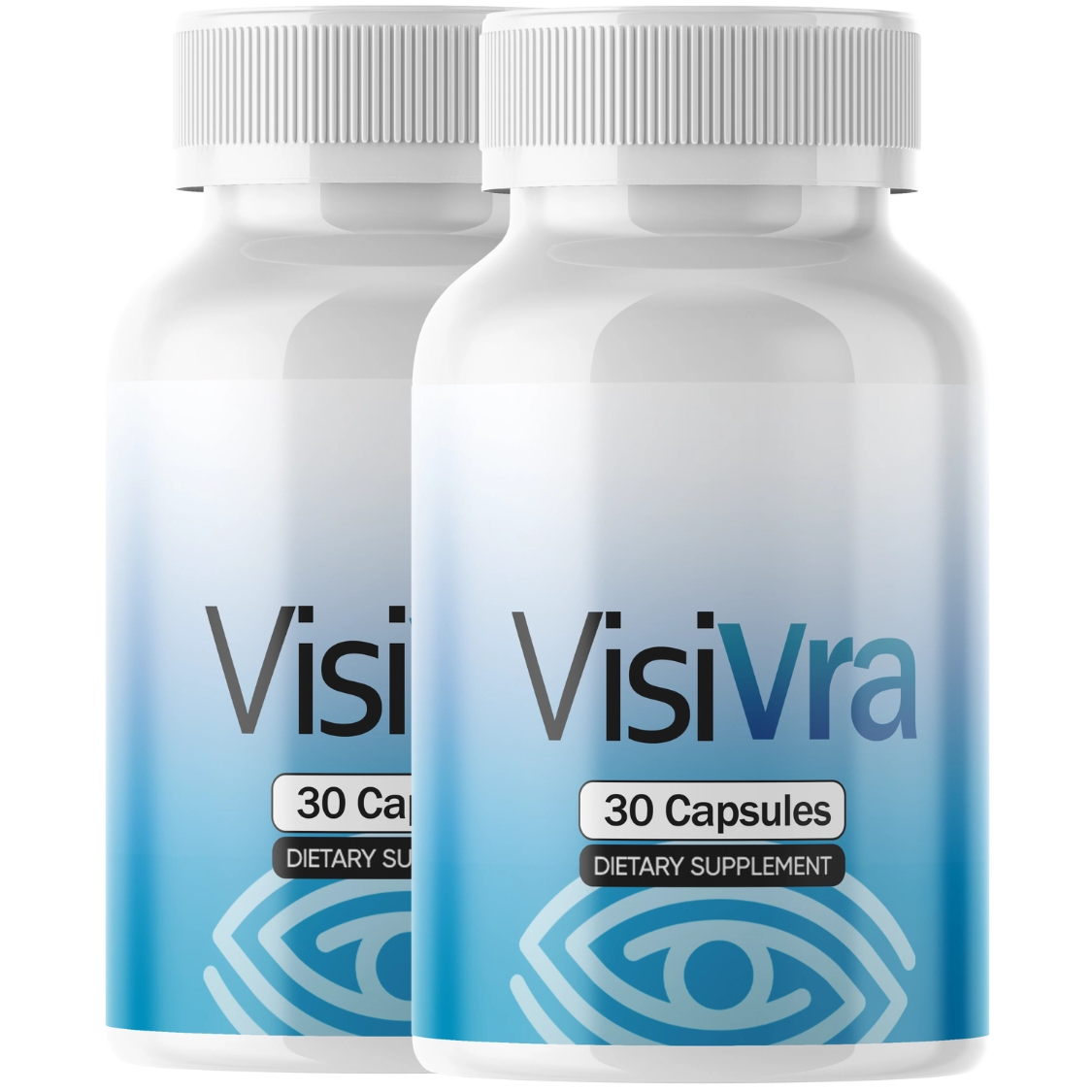
- Total $158
- About $2.63 per day
- Shipping added at checkout
- 60-day guarantee
Best Value
- Total $294
- About $1.63 per day
- Free US shipping
- 60-day guarantee
- Lowest cost per bottle
Most Popular
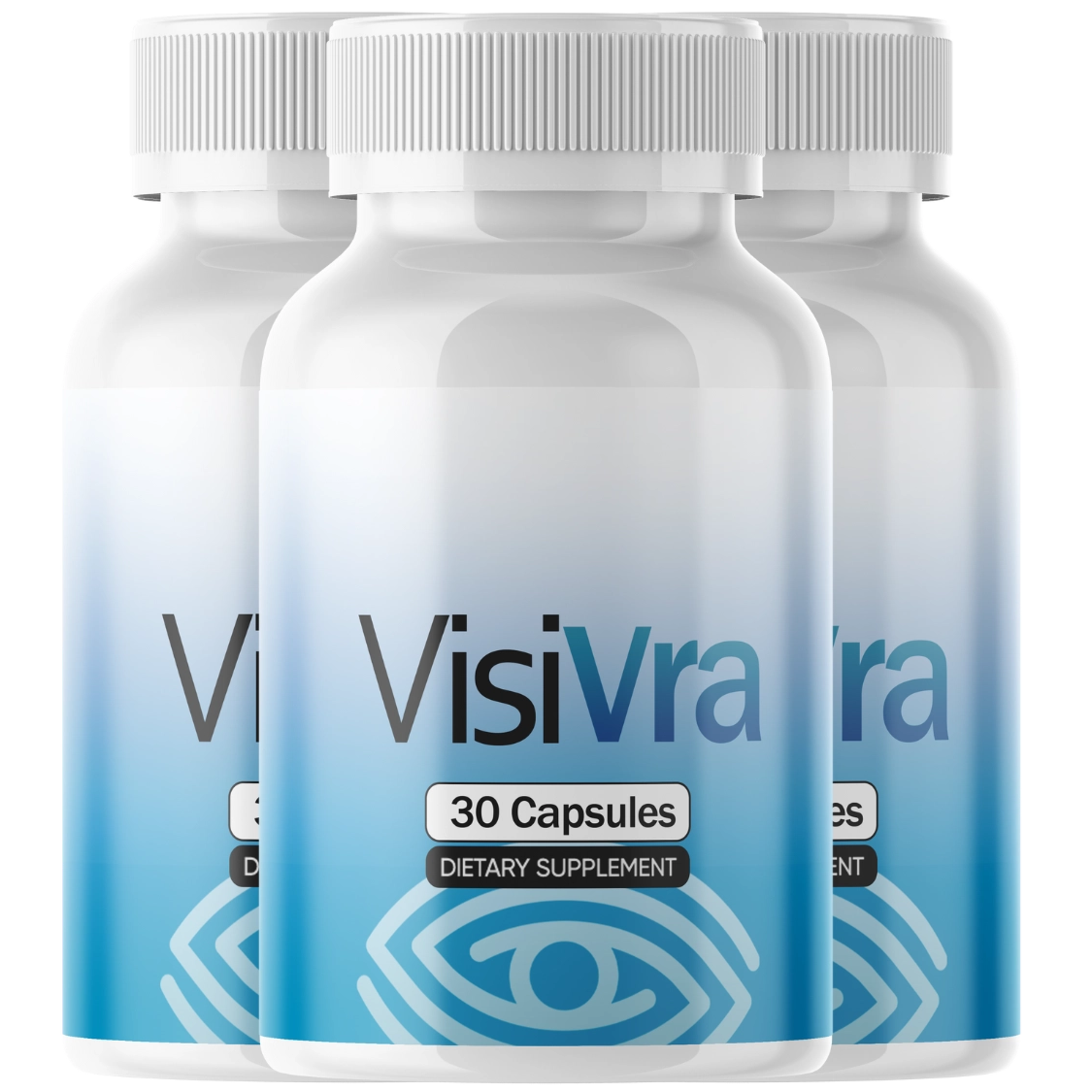
- Total $177
- About $1.97 per day
- Free US shipping
- 60-day guarantee
Prices as listed on the seller’s checkout page on October 18, 2026. Prices can change — always confirm the total at checkout. Buttons are paid links.
Which should you choose?
- Diagnosed with AMD? Ask your eye doctor; an AREDS2-style formula has the evidence.
- Healthy, heavy screen user, decent diet? Start with screen habits. If you add a supplement, a product with clearly labelled lutein and zeaxanthin doses is the most evidence-based choice; Visivra may fit if its label shows adequate doses.
- Poor overall diet? Improve meals first; consider a multivitamin.
- Already taking several supplements? Check for overlapping zinc and vitamin A before adding anything.
Our take
Visivra’s formula is a reasonable middle ground between a basic lutein supplement and a full AREDS2 product. Its weakness compared with both is transparency: the competitors you will find in a pharmacy usually print their doses on the box. If you are choosing Visivra, ask for the Supplement Facts panel first, and compare it with the numbers on this page.
Visivra is sold through the seller’s own checkout (BuyGoods). Confirm the total, shipping and guarantee terms before you pay.
Check Visivra PricePaid linkFrequently asked questions
Is Visivra better than AREDS2?
They are designed for different people. AREDS2 has trial evidence for slowing intermediate AMD; Visivra is marketed for general eye support and has no product-level trial.
Is Visivra the same as a lutein supplement?
It contains lutein and zeaxanthin plus bilberry, astaxanthin, zinc and vitamin A. Unlike most lutein supplements, it does not publish its doses on the sales page.
Can I take Visivra with AREDS2?
Not without your doctor’s advice. Both contain zinc, and AREDS2 already provides 80 mg — well above the general upper limit.
Is food enough for eye health?
For many people, yes. Leafy greens, eggs, colourful vegetables and fish provide the key nutrients. Supplements are an option when diet falls short.
Which eye supplement has the best evidence?
The AREDS2 formula, for people with intermediate AMD. For healthy eyes, lutein and zeaxanthin have the most supportive research for macular pigment.
Sources
- National Eye Institute — Age-Related Eye Disease Studies (AREDS/AREDS2): major findings
- Linus Pauling Institute, Oregon State University — Carotenoids
- NIH Office of Dietary Supplements — Zinc: Health Professional Fact Sheet
- NIH Office of Dietary Supplements — Vitamin A and Carotenoids: Health Professional Fact Sheet
- Sekikawa T. et al. Effects of diet containing astaxanthin on visual function in healthy individuals: a randomized, double-blind, placebo-controlled, parallel study. J Clin Biochem Nutr. 2023;72(1):74–81
- CDC — Preventing Vision Loss
Every source above was opened and checked when this page was last updated (October 18, 2026).
*These statements have not been evaluated by the Food and Drug Administration. Visivra is not intended to diagnose, treat, cure, or prevent any disease. This page is general information, not medical advice — talk to your doctor or eye-care professional before starting any supplement, especially if you are pregnant, nursing, take medication or have an eye condition.